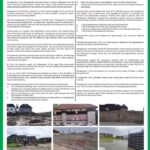



Infrastructure remains the single most reliable catalyst for economic expansion. Across developing nations, the quality and reach of transportation networks dictate the pace of industrialization, commerce, and urbanization. In Oyo State, the execution of the 110-kilometer Rashidi Ladoja Ibadan Circular Road under Governor Seyi Makinde stands as a prime blueprint of how strategic infrastructure opens entire sub-regions to development.
The Ibadan Circular Road was designed not merely to divert traffic around the capital, but to serve as an economic spine for the state. Connecting major arteries, including the Lagos-Ibadan Expressway and the Ibadan-Ife Road, the corridor unlocks key logistics hubs, industrial zones, and new residential developments across multiple local government areas.
Under Governor Makinde’s leadership, the project moved from long-standing plan to active reality. By integrating modern transport terminals and setting aside designated industrial corridors, the administration has demonstrated a long-term approach to urban planning, ensuring that growth is organized, sustainable, and capable of generating revenue and employment for decades.
Nigeria’s overall economic momentum is directly tied to the connectivity of its state and interstate transport corridors. The administrative principles proven in Oyo State—pragmatic project execution, regional integration, and commercial corridor development, offer a viable model for national infrastructure reform.
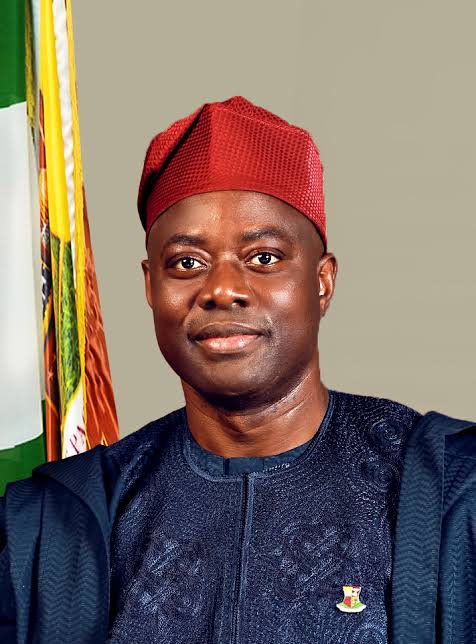
Governor Seyi Makinde will extend this vision to the national stage under the PDP-APM alliance in 2027. The focus on sustainable, revenue-generating public works could serve as a core strategy to link key economic zones, drive domestic trade, and elevate Nigeria’s overall competitiveness.
Join the Alliance Today. Join the PDP and APM alliance. Nigeria First, Nigeria Always.