



…Traces the Evolution from Stylolinguistic Domestication to Systemic Text Linguistics in Nigerian Literary Text Analysis
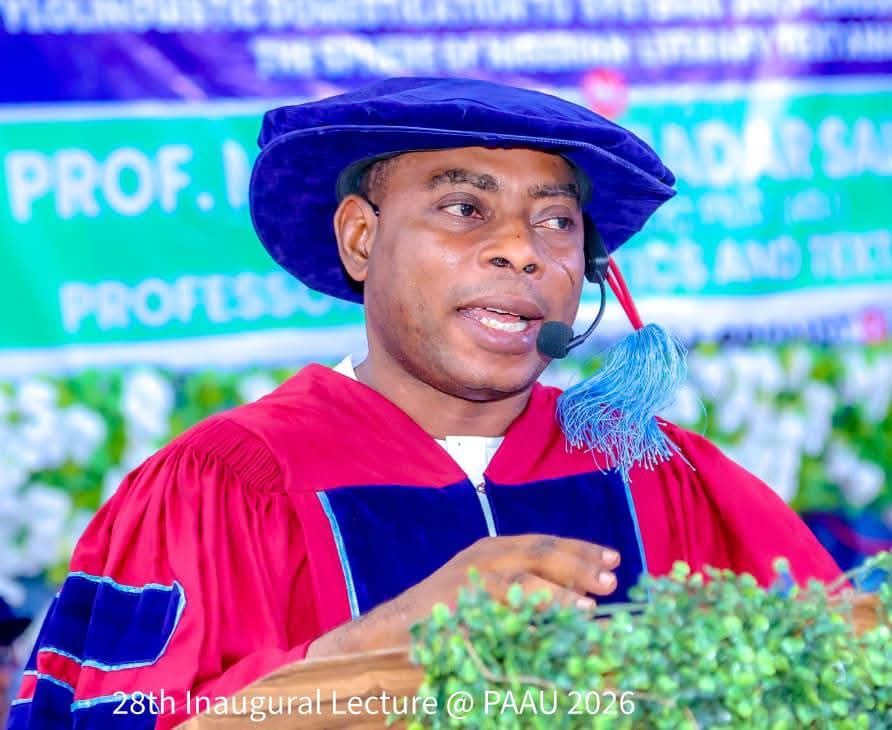
Professor of Stylistics and Text Linguistics, Professor Muhammed-Badar Salihu Jibrin, has called for a critical reflection on inherited theoretical frameworks to adopt context-sensitive, systemic text-linguistic approaches that respond effectively to Nigerian literary expression.
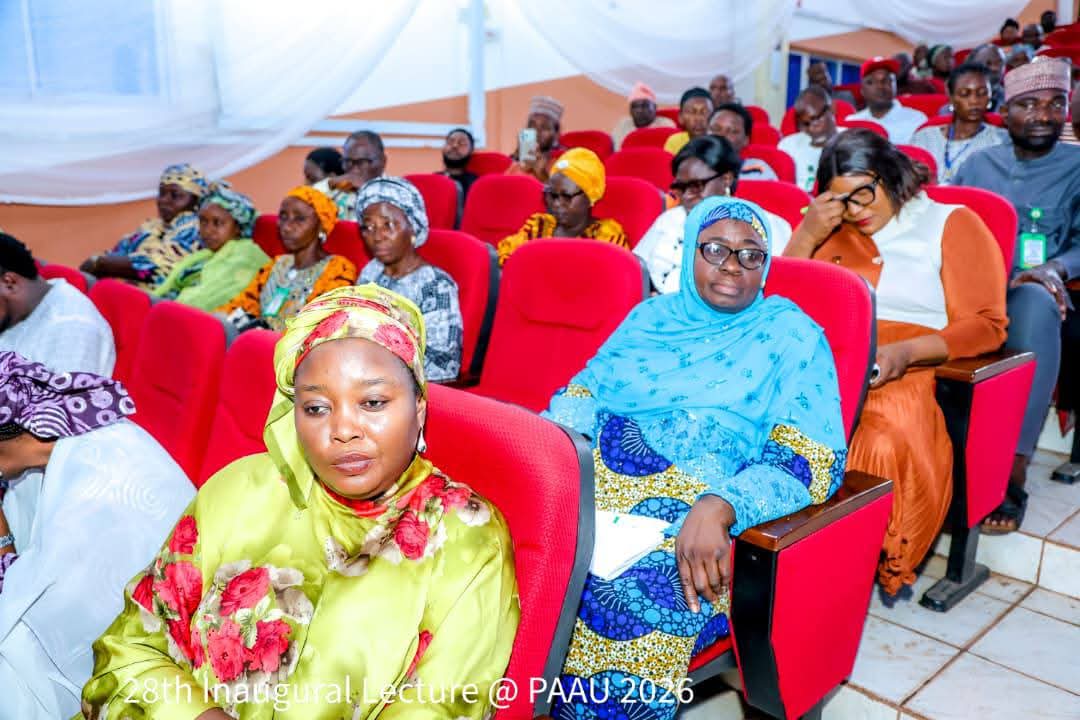
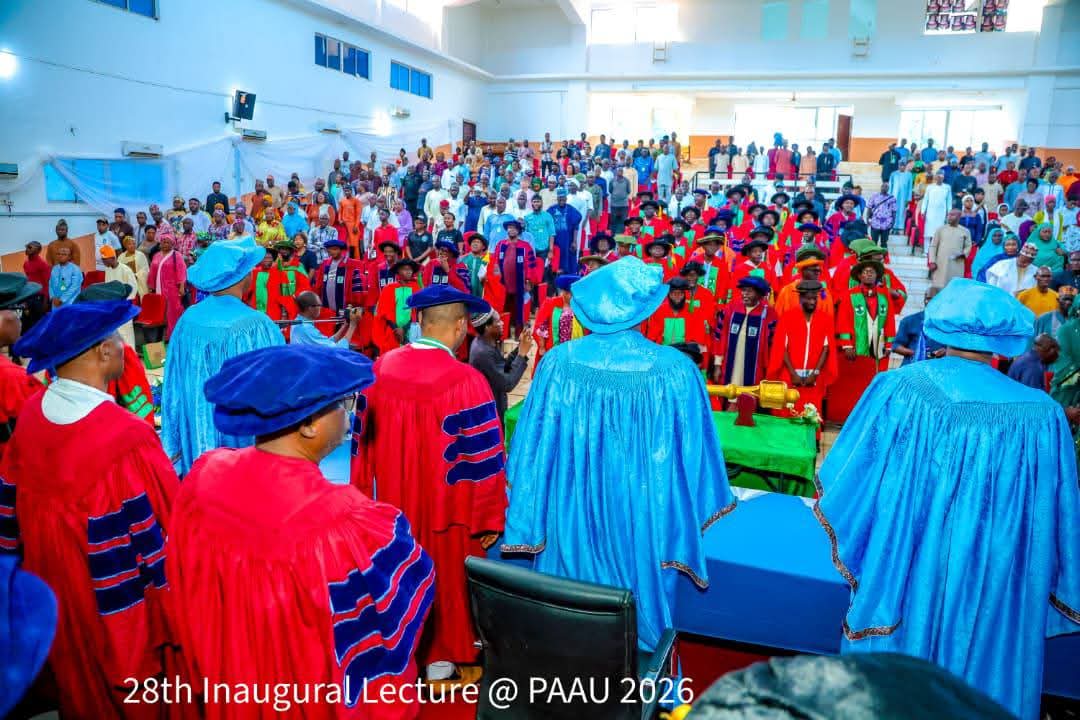
He made the call while delivering the 28th Inaugural Lecture of Prince Abubakar Audu University, Anyigba, titled “From Stylolinguistic Domestication to Systemic Text Linguistics: A Journey Through the Sphere of Nigerian Literary Text Analysis,” on Tuesday, 22nd September, 2026, at the University Auditorium.
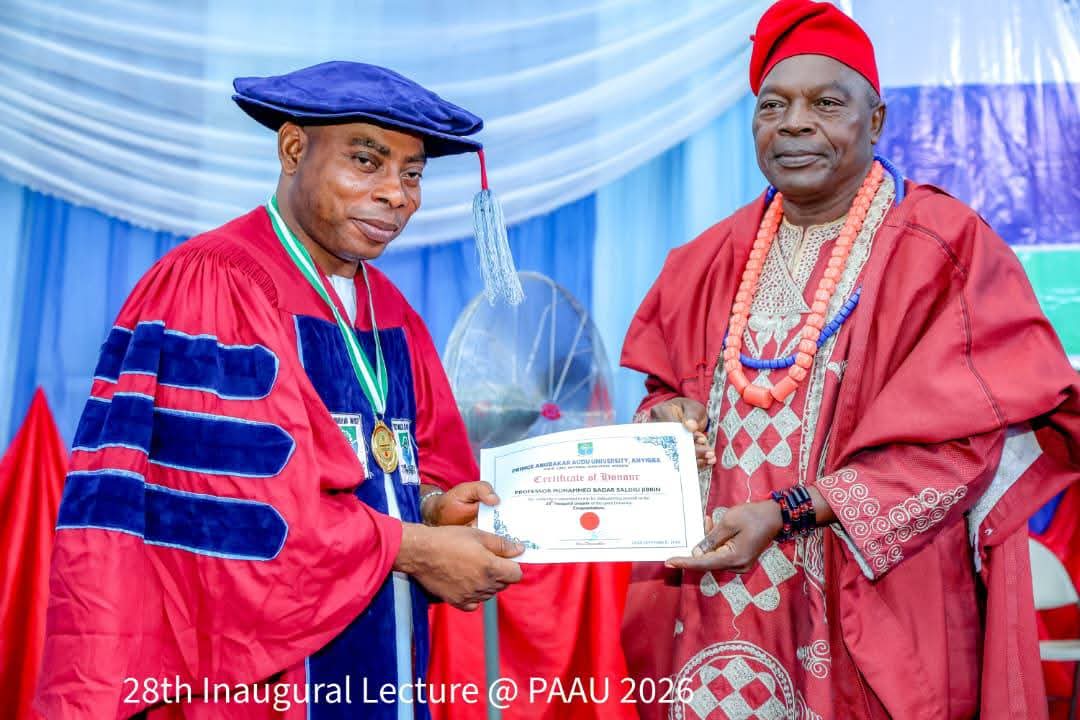
Prof. Jibrin explained extensively that style and stylistics have historically attracted multiple definitions, creating a methodological puzzle regarding how writers’ choices and functions ought to be analyzed within specific social contexts.
He noted that Nigerian literature represents a rich body of experiences, histories, cultures, identities, and worldviews, making it essential that the analytical tools and theories used are sufficiently sensitive to local linguistic and cultural realities.
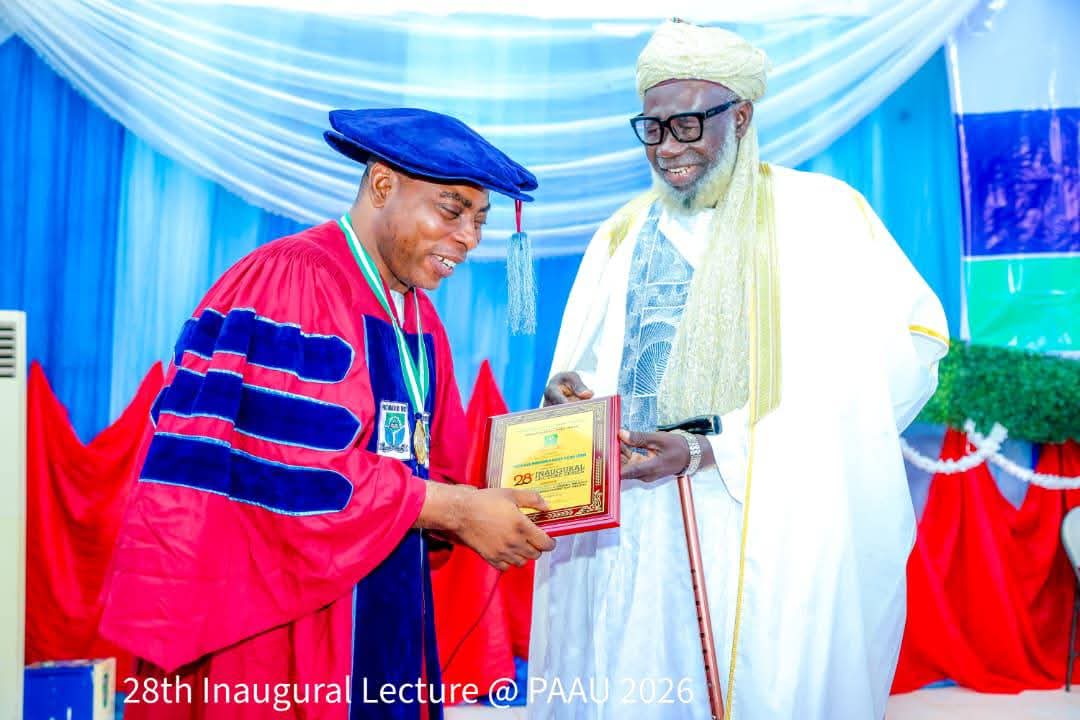
The Inaugural Lecturer maintained that language is both a system and a resource for meaning-making, asserting that stylistics must examine not only what choice a writer makes, but also why that choice is made and what function it performs.
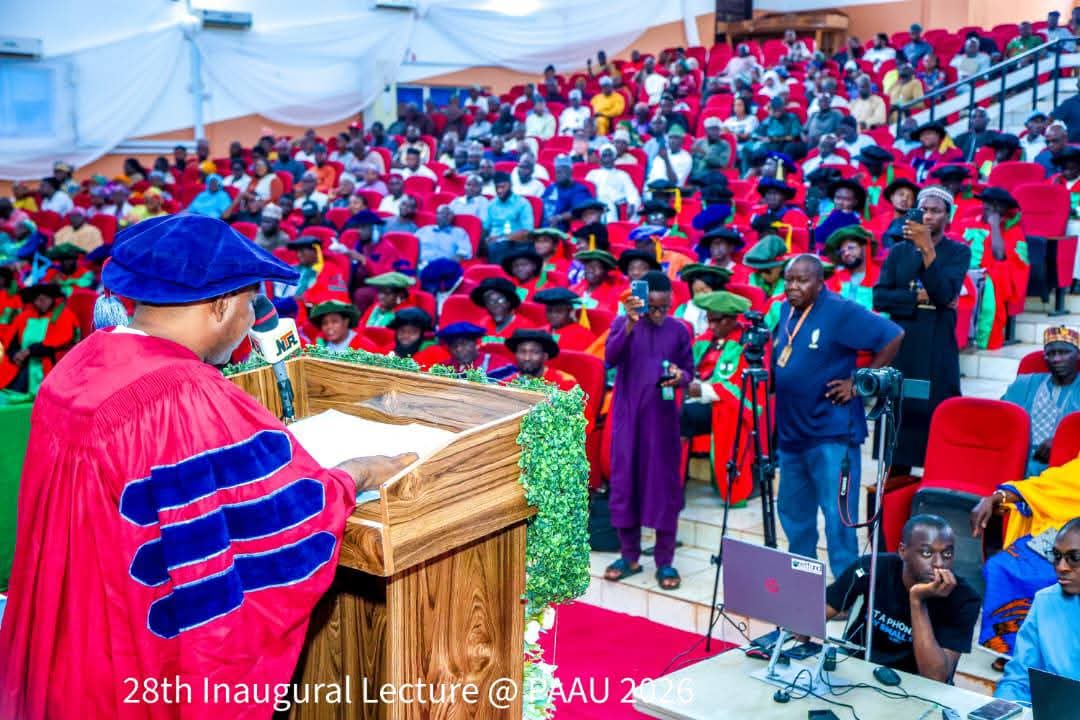
He stressed that the language question in Nigerian literature highlights how English, despite initial cultural mismatches, can be nativized and adapted to carry the weight of African and Nigerian experiences.

Discussing findings from past research on Chukwuemeka Ike’s Our Children Are Coming, Prof. Jibrin highlighted how devices such as parallelism, coinages (e.g., “Whitemail,” “Youthquake,” “Kwashiorkor,” “Chop-Chop Mentality”), collocations, names, and titles were utilized to expose human apostasy and societal vices.
He noted that while stylistic devices and collocations effectively project moral decay, hypocrisy, and corruption, they also reflect resistance, reform, and the creative prowess of Nigerian writers using English as a second language.
On the analysis of Olu Obafemi’s Wheels, the Inaugural Lecturer revealed how nativization, code-mixing, lexical repetition, and character-based speech allow English to surrender to modification by oral traditions, accommodating Afro-Nigerian thought processes and worldviews.
He emphasised that linguistic choices across texts reflect the social conditions and dialects of the people, demonstrating that nativized English acts as a flexible medium capable of carrying African thought and culture.
On systemic text-linguistics, Prof. Jibrin reported how applying M.A.K. Halliday’s Systemic Functional Linguistics (SFL) and Beaugrande & Dressler’s Seven Standards of Textuality provides a functional approach to analyzing texts as unified semantic units within specific context levels.