


TODAY IN HISTORY, ON THIS DAY OCTOBER 19, 1986: DELE GIWA WAS K1`LL€D BY A LETTER BO`MB — 40 YEARS LATER, HIS MUR`D€R REMAINS UNSOLVED.
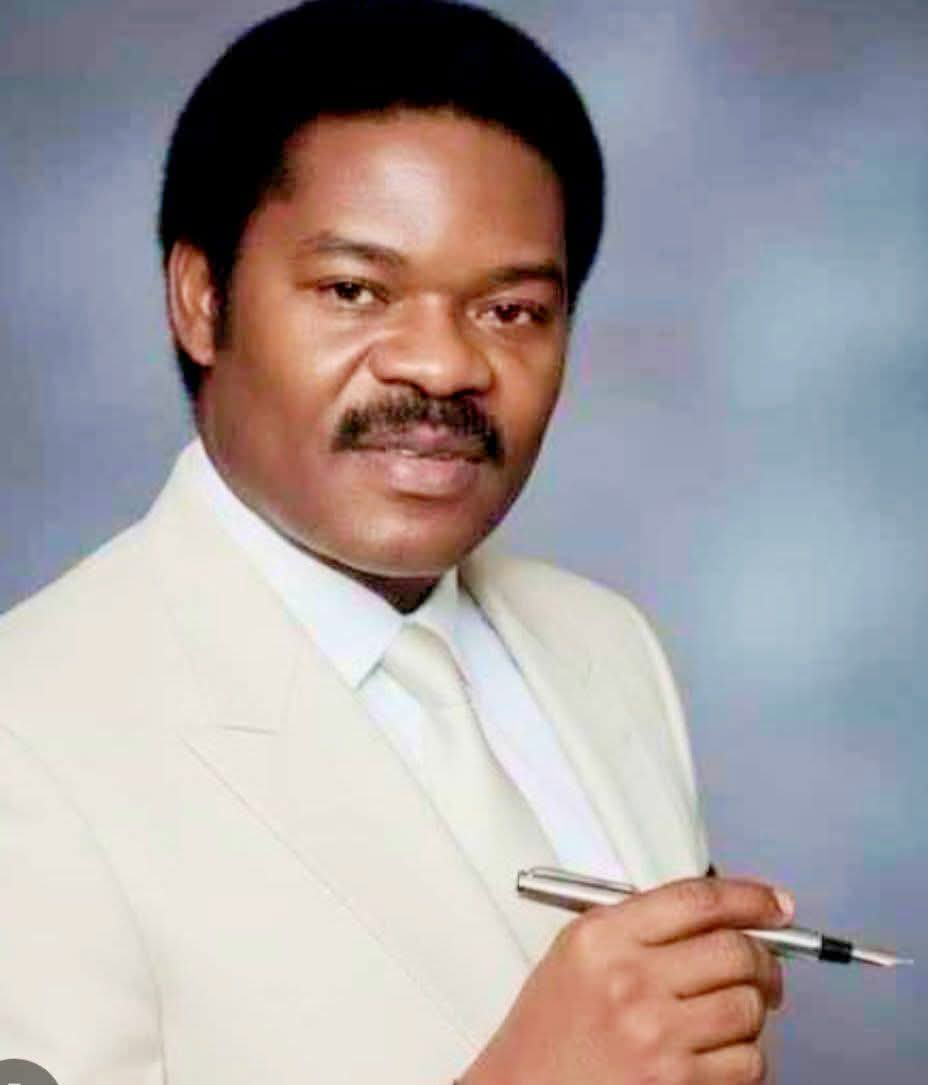
On October 19, 1986, Nigeria l0st one of its most respected journalists in a sh0cking ass@ss!nation that remains unsolved 40 years later.
His name was Dele Giwa. He was 39 years old.
But who was this man, and why did his d€@th shock the nation?
FROM A PALACE WORKER’S FAMILY TO THE HEIGHTS OF JOURNALISM
Sumonu Oladele Giwa, popularly known as Dele Giwa, was born on March 16, 1947, in Ile-Ife, in present-day Osun State.
Although he was born in Ile-Ife, biographical accounts identify his ancestral home as Ugbekpe-Ekperi in present-day Edo State. His family worked in the palace of Oba Adesoji Aderemi, the Ooni of Ife.
Growing up, Giwa attended Local Authority Modern School in Lagere, Ile-Ife. He later attended Oduduwa College, also in Ile-Ife.
His journey eventually took him to the United States, where he studied English at Brooklyn College, graduating in 1977. He also pursued graduate studies at Fordham University in New York.
He gained valuable professional experience working with The New York Times before returning to Nigeria.
He subsequently worked with the Daily Times and later became editor of Sunday Concord.
But his greatest contribution to Nigerian journalism was still ahead of him.
THE MAGAZINE THAT CHANGED THE GAME
In 1984, Dele Giwa joined forces with three other experienced journalists: Ray Ekpu, Dan Agbese and Yakubu Mohammed.
Together, they established Newswatch magazine.
Its first edition was distributed on January 28, 1985, with Giwa serving as its founding editor-in-chief.
At the time, Nigerian journalism was largely dominated by conventional newspapers. Newswatch introduced a different approach, focusing on investigative journalism, political reporting, in-depth interviews and stories that examined the people and institutions exercising power.
It was not simply a magazine that reported events. It sought to investigate what was happening behind them.
Under Giwa’s editorial leadership, Newswatch became one of Nigeria’s most influential news magazines.
Its bold reporting attracted readers who wanted to understand the decisions being made in government, the struggle for political power and the issues affecting ordinary Nigerians.
The magazine also attracted attention from the milit@ry government of General Ibrahim Babangida.
Initially, its coverage of the new administration was favourable in some respects. However, as its reporting became more critical of the government, tensions grew.
Giwa and his colleagues were determined to pursue stories that they believed the Nigerian public had a right to know.
That commitment would become an important part of his legacy.
THE DAYS BEFORE HIS DEATH
In September 1986, Giwa was questioned by officials of the State Security Service, now known as the Department of State Services.
He was questioned again shortly before his de@th.
These encounters later became important parts of the controversy surrounding his ass@ssination.
However, the fact that he was questioned by security officials does not, by itself, establish who was responsible for his mur`der.
On the morning of Sunday, October 19, 1986, Giwa was at his home on Talabi Street in Ikeja, Lagos.
He was expecting no ordinary event that would change the course of Nigerian journalism forever.
A parcel was delivered to his residence. It was reportedly carried by two men in a Peugeot and bore what appeared to be an official government seal.
Giwa was at home with Kayode Soyinka, the London bureau chief of Newswatch.
When the parcel was opened, it expl0ded.
It was a letter bo?mb.
Giwa suffer€d dev@stating injuries and was rushed to the hospital.
He di€d that same day, aged just 39.
His death shocked the country and sent fear through the Nigerian journalistic community.
WHO KI!LL€D DELE GIWA?
That question has haunted Nigeria for four decades.
The circumstances surrounding his de@th generated widespread suspicion and controversy, particularly because of his earlier encounters with security officials.
Some individuals were accused in connection with the case, but no one was convicted of his murder.
The identity of those responsible for the bomvbing and the question of who ordered it have remained unresolved.
His de@th became a defining moment in the history of press freedom in Nigeria, particularly during military rule.
For journalists, his story became a reminder of the risks associated with investigating powerful institutions and reporting on politically sensitive matters.
FORTY YEARS LATER, HIS LEGACY LIVES ON.
Dele Giwa was more than a journalist who di€d tr@gically.
He was an editor who helped transform the way political and investigative stories were presented to Nigerians.
Through Newswatch, he helped establish a tradition of bold reporting that influenced generations of journalists.
He died on October 19, 1986, but his name remains part of Nigeria’s media history.
Forty years later, his mur`der remains unsolved, and his story continues to raise questions about accountability, justice and the freedom of the press.
He was only 39 when his life was cut short. But in those 39 years, he helped change Nigerian journalism forever.
Today, October 19, marks 40 years since the death of Dele Giwa.
Where were you on that day when you heard the news of his de@th?
You are reading from Clara Dike Wall, Home of History.
#fblifestyle