


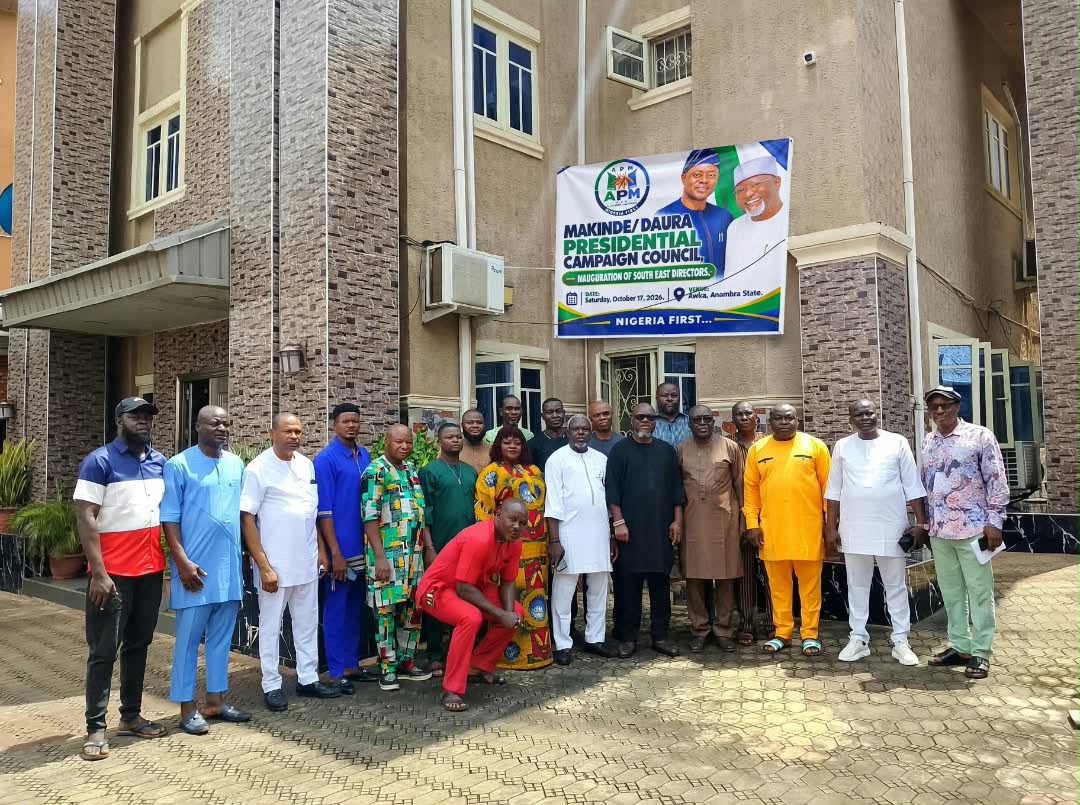
The International Day for the Eradication of Poverty is an international observance celebrated each year on October 17 throughout the world to raise global awareness about the struggles of people living in poverty, acknowledge their resilience, and promote concrete actions to eliminate poverty and human rights violations.
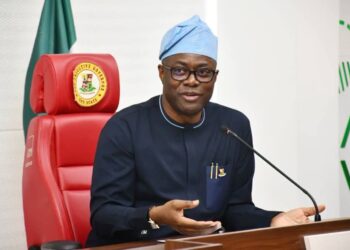
Discrimination is especially cruel when poor people are forced to endure other forms of prejudice because of their gender, sexual orientation, race, ethnicity or disability. This was contained in a statement signed by Toyin Balogun, Director Women Coordination of the Makinde Daura Presidential Campaign Council.
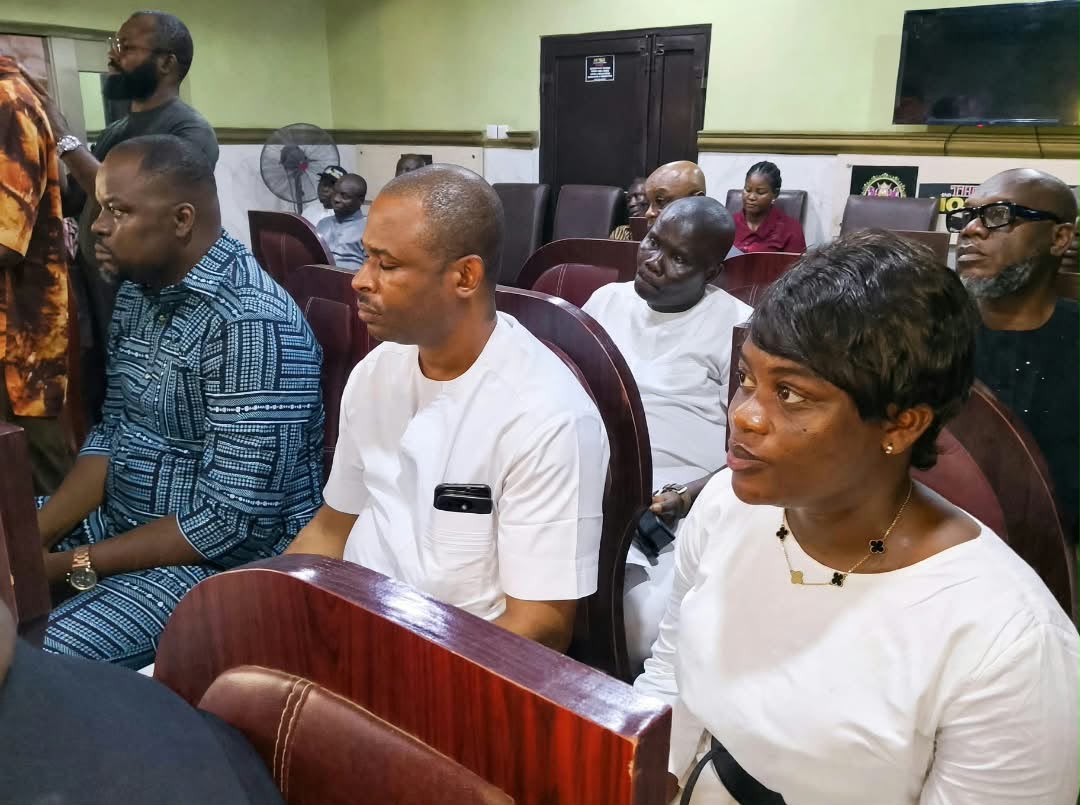
*2026 Theme: Safe Homes For All*
The International Day for the Eradication of Poverty promotes dialogue and understanding between people living in poverty and their communities, and society at large. “It is an opportunity to acknowledge the efforts and struggles of people living in poverty, a chance for them to make their concerns heard and a moment to recognise that poor people are in the forefront in the fight against poverty
This year’s focus is on adequate housing as a foundation for security, dignity, and human rights.
In line with this year’s theme, the Makinde led government at the helm of affairs in Oyo State has initiated multiple low cost housing estates through its Housing Corporation in order to avail low cost and safe housing alternatives to its teeming population
The APM Presidential Candidate His Excellency Governor Makinde has been able to incorporate multidimensional poverty measures that go beyond income to include factors like access to health care, education, sanitation and clean water, into Oyo State Policy.
*NIGERIAN REALITY*
Nigeria grapples with 5 major challenges that impact directly on the dismal multidimensional poverty stats below:
1.Poverty
2.Insecurity
3.Systemic Corruption & Weak Institutions
4.Healthcare/Education challenges
5.Power Supply/Infrastructural deficits
• According to the official National Bureau of Statistics household survey data, 40.1% of Nigerians (about 82.9 million people) lived below the national poverty line (earning less than ₦137,430 per year).
• Multidimensional Poverty: The 2026 Global Multidimensional Poverty Index released by the UNDP and Oxford University puts the share of multidimensionally poor Nigerians at 38.7% to 48.7% (roughly 113 million people), noting an increase of nearly 18 million people between 2021 and 2024
• World Bank Estimates: World Bank data estimates that 50.8% (about 123 million people) live in extreme poverty, while 69.6% live below the lower-middle-income poverty line of $4.20 per day, with rural poverty reaching as high as 75.5
Once voted into office as President ,the Makinde led government will reduce the Poverty Induced by closely monitoring multidimensional poverty indicators, using them to implement regional and national anti-poverty programs.
The Vietnam Model through which that Country has been able to reduce their Multidimensional Poverty Index scores by 50% to 2.9% by the end of 2023 would also be studied and adaptations situated within the context of our realities as a Country
Lack of access to education is the main cause of multidimensional poverty, especially in rural and remote areas.
Rapid ,sustained economic growth and job creation including a concentration on agriculture and manufacturing will be the primary drivers of the economy utilised by a Makinde Led Federal Government to achieve a reduction in the presently abysmal National Poverty Index