


The Nigerian Institute of Public Relations (NIPR has called on the National Assembly to elevate Public Relations as a strategic management function in its administrative and institutional operations as a way of combating the negative image of the institution.
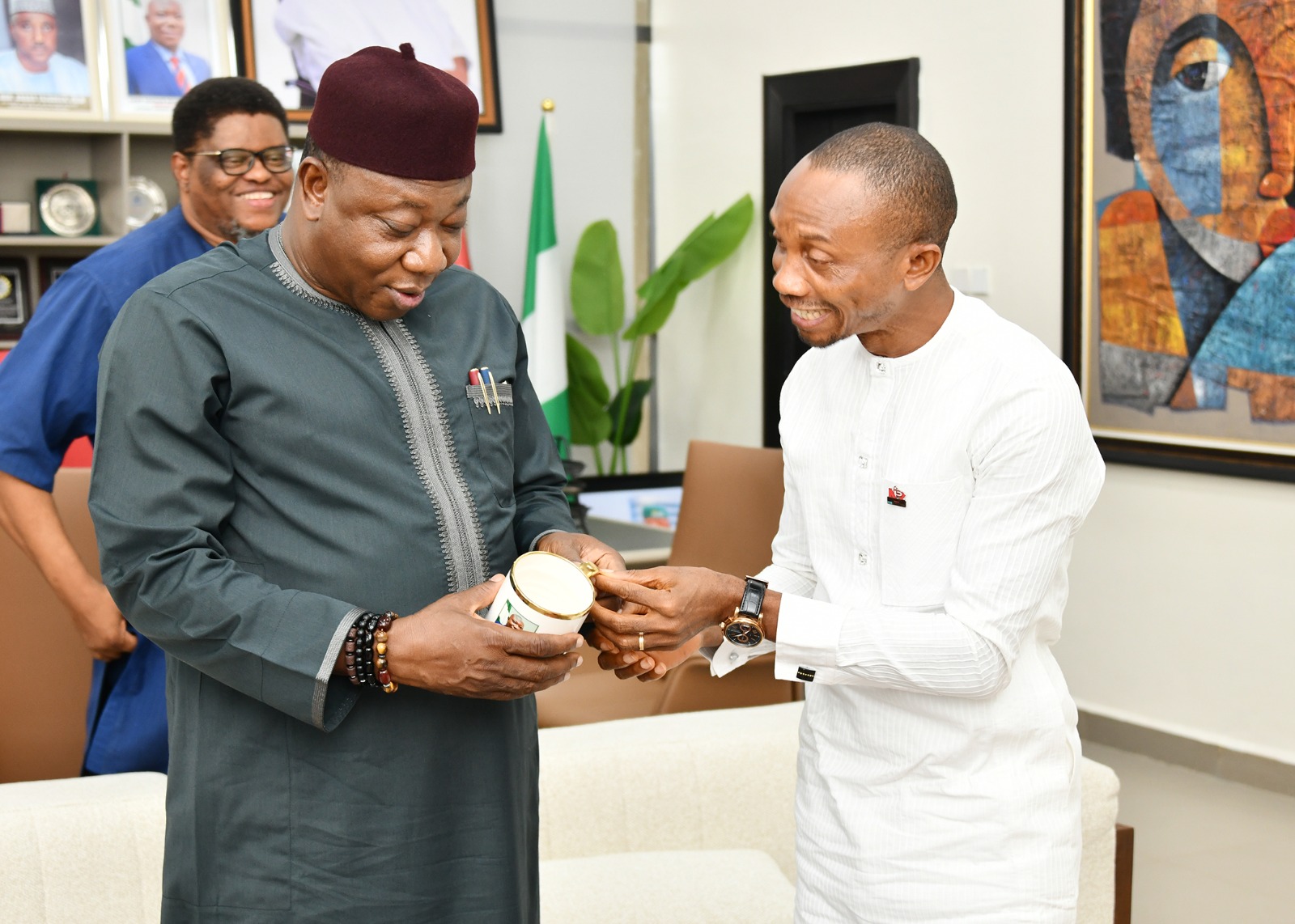
The Chairman of the FCT Chapter of the Institute, Mr Stanley Ogadigo made the call during a courtesy visit to the Executive Chairman of the National Assembly Service Commission (NASC), Chief Saviour Enyiekere in Abuja. Ogadigo emphasised the need for the National Assembly to deploy professional public relations strategies in addressing negative public perception and strengthening its institutional image. This was contained in a statement issued by E.N Anyigor
Director, Public Affairs of the commission.
He observed that Public Relations should not be treated merely as a publicity or media relations activity but as an essential management tool that contributes to policy formulation, strategic decision-making, stakeholder engagement and institutional reputation management.
According to him, the National Assembly, as a critical institution of Nigeria’s democracy, requires a deliberate and sustained communication strategy capable of bridging the information gap between the legislature and the Nigerian public.
He noted that negative public perception could be addressed with the professional inputs of PR practitioners at top management levels through effective communication, transparency, timely dissemination of information and sustained engagement with relevant stakeholders.
The NIPR FCT Chapter Chairman further stressed the importance of involving professional public relations practitioners in management decisions, noting that effective reputation management requires communications professionals to operate at the strategic level of an organisation rather than being restricted to routine publicity assignments.
Responding, the Executive Chairman of the National Assembly Service Commission acknowledged the importance of strategic communication in strengthening institutions and noted that the National Assembly Service Commission recognised the critical role of information management and public relations in communicating institutional policies, programmes, reforms and achievements to the public. He expressed satisfaction with the way the NASC Department of Public Affairs had handled the communication of the Commission’s activities so far and pledged every necessary encouragement to make it perform better.
The Executive Chairman emphasised that the image of the National Assembly must be supported by effective communication, professionalism, institutional transparency and improved service delivery by its workforce.
He also highlighted the need for stronger collaboration between the Commission and professional bodies such as the NIPR to promote best practices in public relations, enhance the capacity of its communication personnel and strengthen the institutional communication framework of the National Assembly.
The visit provided an opportunity for discussions on possible areas of collaboration between the Institute and the National Assembly Service Commission, particularly in professional training, strategic communication, stakeholder relations and reputation management. Ogadigo further used the visit to express the Institute’s gratitude to the Commission for the warm reception accorded the NIPR delegation which visited the Commission earlier in the year as part of it’s sensitisation drive towards Nigeria’s hosting of the on-going World Public Relations Forum event in Abuja. He extended invitation to the Executive Chairman to participate in the WPRF event which kicked off on Sunday.
Ogadigo’s call for the positioning of Public Relations as an important and strategic management function in the National Assembly Service resonates with growing concerns about a perceived relegation of Public Relations in the Service. Concerned PR professionals and observers have wondered why the National Assembly has failed to incorporate PR in its top decision-making mechanism. One former top Officer in the Department of Information in the National Assembly queries, “How can the National Assembly have so many Directorates to handle different aspects of its mandates, sometimes trivial things, but does not have a Directorate for Information and Strategic Public Communication to handle the perennial image deficit problem of the Institution?”. According to him, the National Assembly has a huge image problem because there has been no concerted efforts to properly communicate it’s activities to its public. .He posits that until the National Assembly constitutes a full Directorate of Information and Strategic Communication in which top PR practitioners are assembled from the Service to chat a positive communication path, the National Assembly would continue to be mired in its current state of negative perception by its critical publics.