


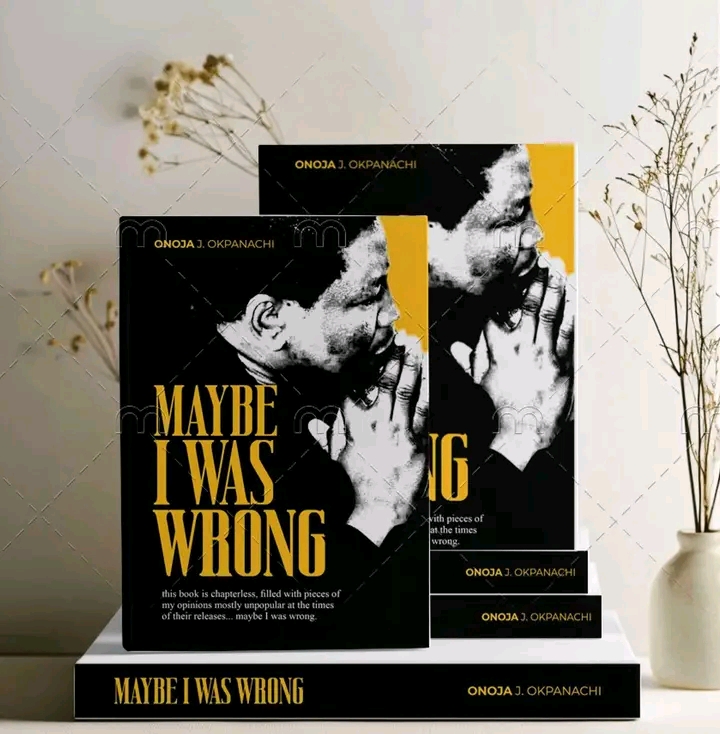
*One of the hallmarks of a truly transformative book is its ability to make the reader uncomfortable* – not in a way that alienates, but in a way that compels them to rethink, re-evaluate, and ultimately grow. Maybe I Was Wrong is one such books. It does not merely recount history or analyse socio-political phenomena; it shakes the very foundation upon which complacency and ignorance are built. It forces us to ask difficult questions and to introspect. Where have we erred? What must we change? Where do we go from here? And most importantly, what can we do to get out of the current quagmire?
*The beauty of this work lies not just in its audacity but in its entrenched commitment to intellectual honesty.* The author does not seek to be infallible or pretends to wear the garb of puritanism; he humbly acknowledges that he may be wrong. But therein lies the paradox – the very act of self-doubt, the intellectual meekness of great minds, of questioning one’s own stance, is what makes this work so undeniably right. He has provided the facts, the arguments, and the perspectives, leaving us with an obligation not to accept blindly but to think deeply, critically, and courageously.
*At a time when many shy away from difficult conversations, this book stands as a testament to the power of bold discourse.* It challenges us to embrace the discomfort of questioning, to confront the consequences of inaction, and to demand more from ourselves as a people. If the title Maybe I Was Wrong suggests uncertainty, the content dispels it entirely. The only thing I believe the author got wrong was the title itself – because from the first page to the last, he was, without a doubt, absolutely right.
*It is a mirror held up to the Igala people and their legacy.* It is very apt and timely, especially now that the Igala seek a new impetus, a compulsion for self-rediscovery. And for those willing to look, to truly see, it is nothing short of revelatory.